Do Smart Home Devices Work Without Internet in India? (Full Guide 2026)
- futurehomelabs
- May 4
- 3 min read

If you’re planning a smart home setup, one key question is: do smart home devices work without internet in India? The short answer is yes—but only partially. Many devices continue to function offline for basic operations, but features like remote control, voice assistants, and cloud automation require an active internet connection.
This guide explains exactly what works without internet, what doesn’t, costs in India, and how to build a reliable smart home that keeps working even during network outages.
Introduction
With frequent internet disruptions and power fluctuations in many parts of India, homeowners often wonder: do smart home devices work without internet in India reliably? Understanding this is critical before investing in smart lights, cameras, or automation systems.
The good news is—you can build a partially offline smart home that still delivers convenience, energy savings, and control.
What Are Smart Home Devices?
Smart home devices are connected appliances that automate and control functions such as:
Lighting (smart bulbs, switches)
Cooling (smart AC controllers)
Security (CCTV cameras, smart locks)
Appliances (smart plugs)
These devices usually operate via mobile apps, voice commands, or automation rules.
Do Smart Home Devices Work Without Internet in India? (Clear Answer)
Yes, smart home devices work without internet in India, but only for limited functions.
What Works Without Internet
Manual ON/OFF using physical switches
Local control via Bluetooth or hub
Pre-set schedules (in some devices)
Basic automation within local network
What Does NOT Work Without Internet
Remote access via mobile apps
Voice assistants (Alexa, Google Assistant)
Cloud-based automation
Firmware updates
How Smart Home Devices Work Without Internet in India
To understand offline functionality, you need to know how devices communicate.
Types of Smart Device Connectivity
1. WiFi-Based Devices
Most common in India
Depend heavily on internet
Limited offline capability
2. Hub-Based Devices (Zigbee/Z-Wave)
Use a central hub
Work on local network
Reliable without internet
3. Bluetooth Devices
Work within short range
No internet required
Limited automation
Offline Working Explained
Devices connect to a local hub or network
Commands are processed locally
No cloud communication needed
This is called local automation, which is faster and more reliable during outages.
Benefits of Using Smart Home Devices Without Internet
1. Works During Network Failures
Ideal for Indian homes with unstable internet
2. Faster Response Time
Local commands are quicker than cloud-based
3. Better Privacy
No data shared with external servers
4. Reliable Energy Control
Smart switches continue working normally
Key Features to Look For (Offline Capability)
When buying smart devices, check for:
Essential Features
Manual physical control
Local network compatibility
Offline scheduling support
Advanced Features
Hub-based connectivity (Zigbee preferred)
Edge processing (device intelligence)
Hybrid online/offline functionality
Cost of Smart Home Devices in India (2026)
Device Type | Price Range (INR) | Offline Capability | Best Use Case |
Smart Bulbs | ₹500 – ₹1,500 | Limited | Basic lighting |
Smart Switches | ₹2,000 – ₹5,000 | Strong | Full home control |
Smart Plugs | ₹800 – ₹2,000 | Limited | Appliances |
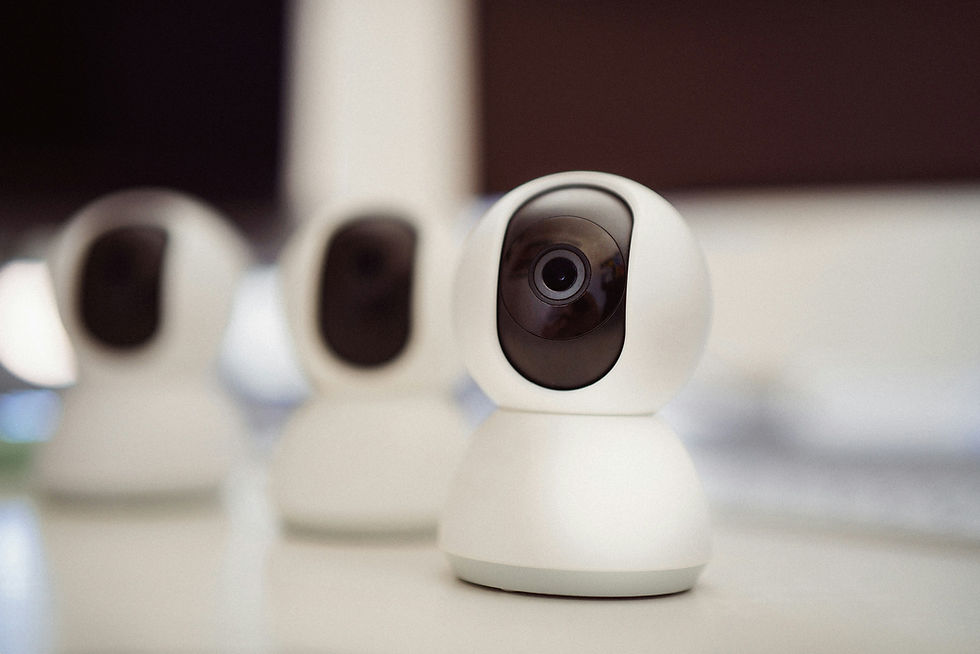
Smart Cameras | ₹2,000 – ₹8,000 | Very Limited | Security |
Smart Hubs | ₹3,000 – ₹10,000 | Excellent | Automation systems |
Best Smart Home Devices That Work Without Internet in India
You can add affiliate links under these categories:
1. Smart Switches (Top Recommendation)
Work like traditional switches
Continue operating without internet
Best for Indian homes
2. Zigbee-Based Systems
Reliable local automation
Works even during internet outages
3. Bluetooth Smart Devices
Ideal for small setups
No dependency on internet
4. Solar-Compatible Smart Devices
Works with backup power
Ideal for areas with power cuts
How to Choose Smart Devices That Work Without Internet in India
Step-by-Step Guide
Prioritize switches over bulbs
More reliable offline
Choose Zigbee or hub-based systems
Better local control
Check internet reliability in your area
Frequent outages → avoid WiFi-only devices
Look for hybrid functionality
Works both online and offline
Plan future expansion
Choose scalable ecosystem
WiFi vs Hub-Based Smart Devices
Feature | WiFi Devices | Hub-Based Devices |
Internet Dependency | High | Low |
Offline Function | Limited | Strong |
Setup | Easy | Moderate |
Cost | Lower | Higher upfront |
Reliability | Medium | High |
Common Mistakes to Avoid
Assuming all smart devices work offline
Buying only WiFi-based products
Ignoring manual control options
Not checking compatibility with hubs
Over-relying on cloud automation
FAQs
1. Do smart home devices work without internet in India completely?
No, most devices only support basic functions offline. Advanced features require internet.
2. Which smart devices work best without internet?
Smart switches and Zigbee-based systems offer the best offline performance.
3. Can smart lights work without WiFi?
Yes, through physical switches or local hubs, but app control will not work.
4. Is internet required for smart home setup in India?
Not always. You can build a partially offline smart home.
5. Are offline smart homes better?
They are more reliable and private but may lack advanced features.
Final Thoughts
So, do smart home devices work without internet in India? Yes—but only for essential functions. For the best experience, combine offline-capable devices like smart switches and hubs with internet-enabled automation.
This hybrid approach ensures your smart home remains functional, energy-efficient, and reliable—even during network issues.



Comments